DE
DE EN
EN FR
FR NL
NL
LEATHER PRODUCTION
Premium-quality leather – at the heart of every Sioux shoe
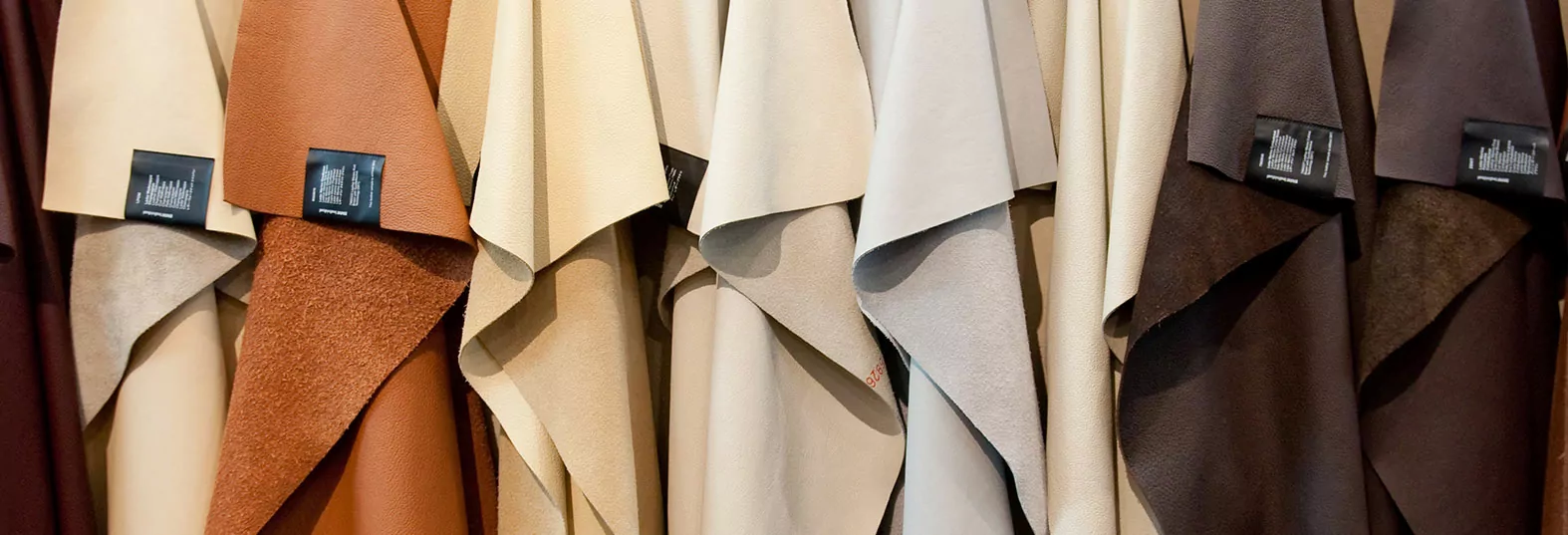
Leather has been manufactured since the early history of humankind, as this high-quality and durable raw material can be used to make shoes. Native Americans developed the first-known type of shoe – the moccasin. Tanned buffalo skin was used to make these shoes. The buffalo was hunted primarily as a source of meat, but the hides, tendons and bones were processed and used for many different purposes.
Even today, the leather production process mainly involves processing one of the by-products. This is due to the fact that almost all leather used by shoe manufacturers is manufactured using livestock hides (cattle, goats, sheep). In order to list all the different hides used, it is worth mentioning pigskin. However, Sioux, as a manufacturer of quality shoes, does not use this type of hide. All the aforementioned animal hides used to manufacture tanned leather are produced as a by-product of food production. From an ecological and ethical point of view, this means that no animals are bred for the sole purpose of using their hides. At Sioux, we have made it our policy to only use upper leather, leather lining and hides which are by-products and for which no animal needs to be killed.
Which animal skins are used for shoes?
Only the skins of certain animals are used for producing high-quality leather shoes. Calf skins and hides are particularly popular (so-called box calf for leather lining and upper leather for common outdoor shoes), as are those from cows (cow leather, sole leather and upper leather for robust shoes), horses (so-called cordovan, higher priced upper leather, especially for men’s shoes) and goats (chevreau, upper leather and leather lining).
There are three stages to the manufacturing process. First of all, the leather hide is detached from the other two layers of the skin in the „water workshop“. The next stage involves the rawhide being tanned before the leather goes through the finishing process.
The quality of the finishing process depends on the handcrafted artistry. Even the highest quality animal rawhide is worth nothing if it is not perfectly transformed into premium leather.
Another finishing step, which is carried out before the drying stage, is producing a glaze for the shaft leather. This involves the upper layer of the leather being refined. This glaze protects the leather from external influences and preserves the shiny surface.
The finished outer leather is stretched between metal plates or under heat radiators and dried at between 40 and 60 degrees Celsius. After the leather has been stored for one or two days, it is pressed at 90 degrees using heavy hand irons or a press. As a result, rawhide is turned into flawless leather.
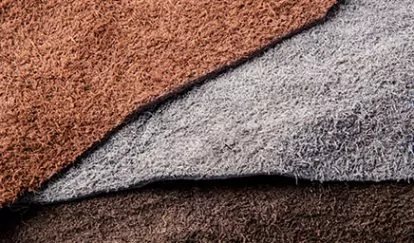
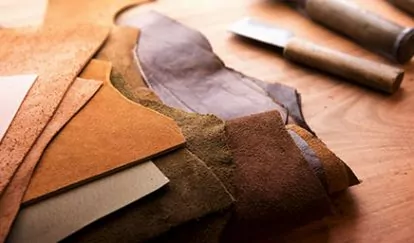
Finishing leather
Leather only becomes the material we appreciate so much in shoes during the final step. The process carried out in the finishing shop is responsible for this change, as it receives its elegant appearance and typical smell.
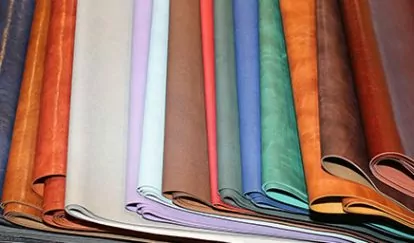
Types of leather
At Sioux we place value on offering premium quality and comfort as well as a modern look. As a result of the various types of leather, tanning processes and colours, Sioux incorporates over 200 different varieties of leather into its collections to ensure that the highest standards are met. From non-slip, smooth leather and colourful suede and nubuck leathers, to reptile, metallic and glossy looks, everything has the same inimitable Sioux quality.
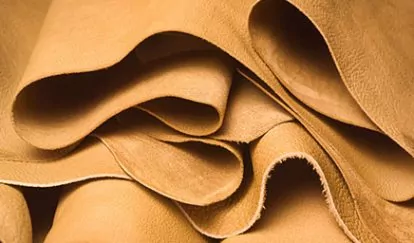
Shoe leather
Choosing the leather is very easy when it comes to Sioux shoes: we only settle for the best.