DE
DE EN
EN FR
FR NL
NL
TANNING
From hide to leather
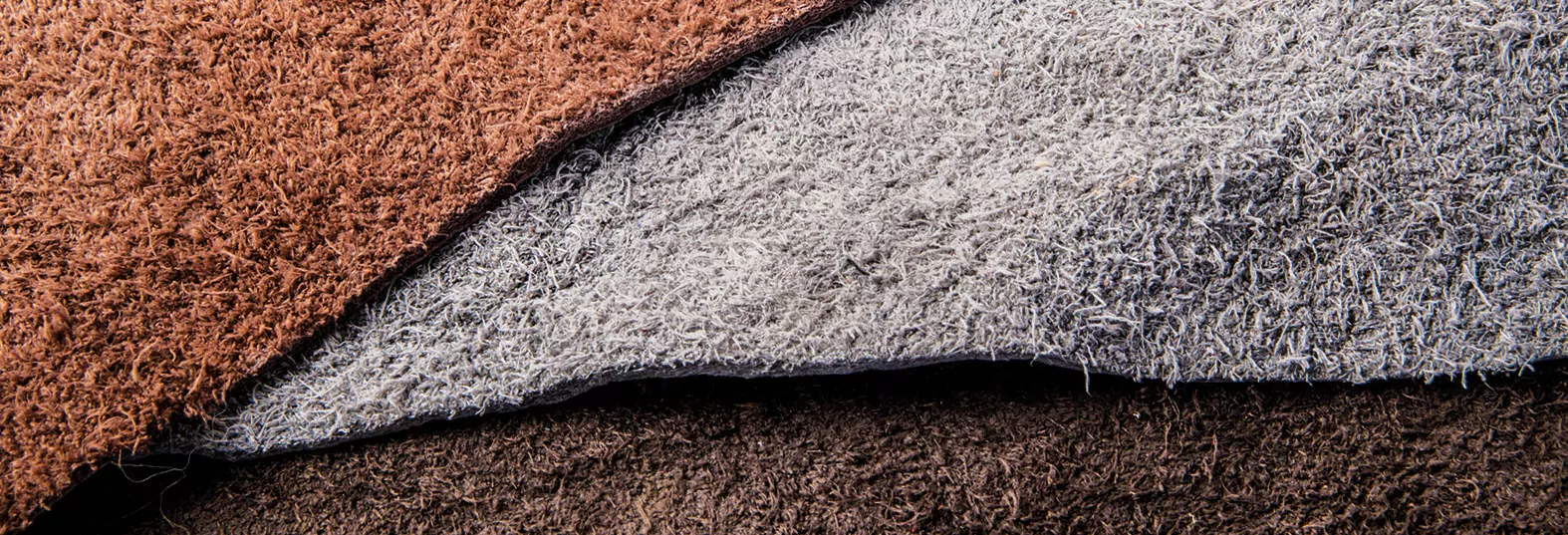
Whether a shoe is of high quality and long-lasting depends on the most important process involved in leather production: tanning. This is the chemical process used to transform raw animal hides into durable, supple and high-quality leather hides.
Why is leather tanned?
Animal hides are not durable. They would be subject to natural decay processes if they weren’t preserved.
Tanning refers to the preservation of leather by means of tanning agents. There are various methods that are used depending on the desired property of the leather.
In principle, nothing happens in the tanning process other than the leather hide being penetrated by tanning agents (these may be vegetable, oil-based, mineral or synthetic). The tanning agents bind to the collagen in the space between the fibres.
This bond is irreversible. The tanned hide differs from that of the rawhide both in terms of its durability and temperature resistance as well as its permanent softness.
In general, so-called tannins are required for the tanning process. Tannins naturally occur in plants (e.g. in leaves, wood or bark), and serve as a defence mechanism against predators. For example, oak bark contains up to 10% tanning content.
These are known as vegetable tanning agents, whereas artificial tannin agents are produced using a chemical process.
What tanning methods exist?
There are a variety of tanning methods. The following two tanning methods exist when it comes to high-quality leather shoes: Vegetable tanning and mineral tanning (chrome tanning).
What is vegetable tanning?
Vegetable tanning was the first method used, dating back to the early history of humankind. Vegetable tanning has the disadvantage of the leather not developing very strong luminosity when dyed at a later stage. Furthermore, the tanning method is significantly more complex, since a significant amount of raw material must be used to obtain the natural tannins, the tanning process takes much longer (up to several months) and the tanning results (as is always the case when it comes to natural processes) sometime vary widely. Vegetable-tanned leather is recognisable due to its light or dark brown colour in the cut edges. At Sioux, we mainly use vegetable-tanned leather for lining leather.
What is mineral tanning (or chrome tanning)?
Chrome tanning is a process of mineral tanning and the most commonly used method today. This produces consistent results and takes a maximum of 1-2 days. This tanning process is technically very sophisticated. So-called chromium salts (from the ancient Greek word chroma = colour) are used for this tanning method instead of vegetable tanning agents. The chromium salts are derived from naturally occurring chromium ores. A green-blue-grey cut edge is a typical sign of mineral-tanned leather. Chrome tanning and chrome contamination of leather are not to be confused – they are often not clearly distinguished in press reports. Chromium III is tanning and non-toxic. Chromium VI, which is toxic and banned in leather manufacturing, is a different chemical compound. With proper handling in the tanning processes, this can be reliably and safely converted or avoided through means of chemical reduction.
How do these tanning procedures differ?
Each of these methods of tanning lends the leather very specific characteristics that have a big impact on subsequent use. Mineral tanning results in a soft, lightweight and flexible leather and is therefore used for the leather uppers and lining. Vegetable tanning is, however, preferable for lining leather. Since it is purely plant-based, and the lining leather used for the shoe has direct contact with the skin, this tanning method prevents wearer from suffering from allergic reactions. What’s more, vegetable-tanned leather is breathable and abrasion-resistant. The colour of lining leather (unlike leather uppers) is also not an important factor, meaning that the typical light or dark brown vegetable-tanned leather is suitable in this case.
How can I be sure that there are no harmful substances in the leather?
Generally speaking, it can be said that tanning is a very sophisticated, reliable and safe technique, as long as the process is carried out properly and professionally. However, the consumer does not see where the leather comes from and how it has been processed. This makes it all the more important to buy the shoes from a brand you can trust. It is obvious that discount-oriented providers have to buy completely different qualities of leather for the best possible price from all parts of the world in order to be able to offer their low sales prices. This is not the case if you shop at a quality German footwear brand. Sioux is a German manufacturer with more than 60 years of experience in the field of leather shoe production.
What security will I get by purchasing from a branded footwear manufacturer?
German shoe manufacturers are organised in the Association of German Footwear and Leather Goods Manufacturers (HDSE). The German Shoe Institute (DSI), a subsidiary of this association, has maintained a quality workgroup (CADS) for a number of years. Sioux is a member of both this association and CADS. CADS is working intensively on standards to minimise pollutants in the footwear industry, which are even stricter than the already far-reaching national and European regulations. All German shoe manufacturers affiliated to the institute are working continuously and in close cooperation in order to establish procedures and test standards that exceed the legal statutory legal thresholds.
What else is Sioux doing to safeguard leather quality?
The shoe manufacturer themselves also have a lot of influence, namely in the way they establish their shoe collections and where and how they produce the materials. At Sioux we establish our own shoe collections, i.e. all of our shoes are developed by us, from the original design stage to series production. We select every part of the shoes ourselves, this includes the quality of leather in particular. This approach differs from many other manufacturers who buy ready-made shoes from different parts of the world and only sew on their label. These brands are often not even aware of the exact places of origin and factories where the shoes have been made themselves.
We know the exact origin of our leather as well as the tanner’s identity and location, and the procedures they employ. We almost exclusively use high-quality European leather. We say almost exclusively because there are exceptions a result of geographic conditions, for example the use of deer or elk leather that comes from North America. We avoid using pigskin which tends to produce certain toxic substances as a result of its properties. We differ from many other brands in this respect too as others like to use pigskin for the sole or lining. As a customer, however, you can usually check this quite easily yourself: due to its bristle structure, pigskin is recognisable through its small black dots.
An additional quality measure provided by Sioux is that we have local technicians on site throughout the year who oversee the delivery factories. Our suppliers provide us with test results from local laboratories for all leathers used in the factories and we also have them checked in independent testing laboratories in Germany. All of our suppliers are certified, audited and we regularly check that they comply with the regulations.
In order to achieve this as a small company, we work with less than five suppliers to manufacture our finished footwear product, and have worked with our most important partner for more than 40 years. Under these circumstances, trust grows to an unprecedented level, as you have known the same people personally for 2 or 3 generations.
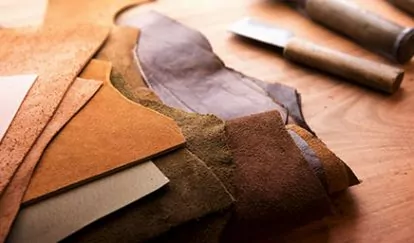
Finishing leather
Leather only becomes the material we appreciate so much in shoes during the final step. The process carried out in the finishing shop is responsible for this change, as it receives its elegant appearance and typical smell.
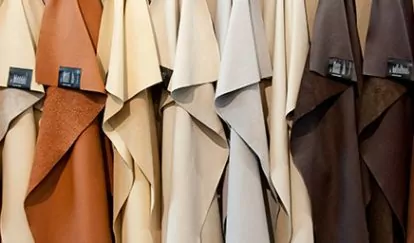
Leather production
Leather has been manufactured since the early history of humankind, as this high-quality and durable raw material can be used to make shoes. Native Americans developed the first-known type of shoe – the moccasin. Tanned buffalo skin was used to make these shoes. The buffalo was hunted primarily as a source of meat, but the hides, tendons and bones were processed and used for many different purposes.
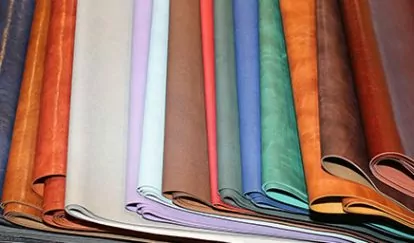
Types of leather
At Sioux we place value on offering premium quality and comfort as well as a modern look. As a result of the various types of leather, tanning processes and colours, Sioux incorporates over 200 different varieties of leather into its collections to ensure that the highest standards are met. From non-slip, smooth leather and colourful suede and nubuck leathers, to reptile, metallic and glossy looks, everything has the same inimitable Sioux quality.
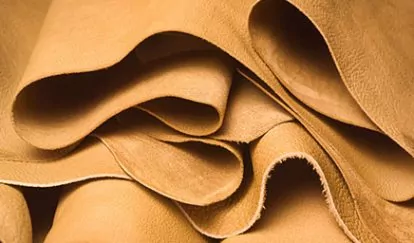
Shoe leather
Choosing the leather is very easy when it comes to Sioux shoes: we only settle for the best.