DE
DE EN
EN FR
FR NL
NL
TYPES OF LEATHER
As diverse as the Sioux shoe collection
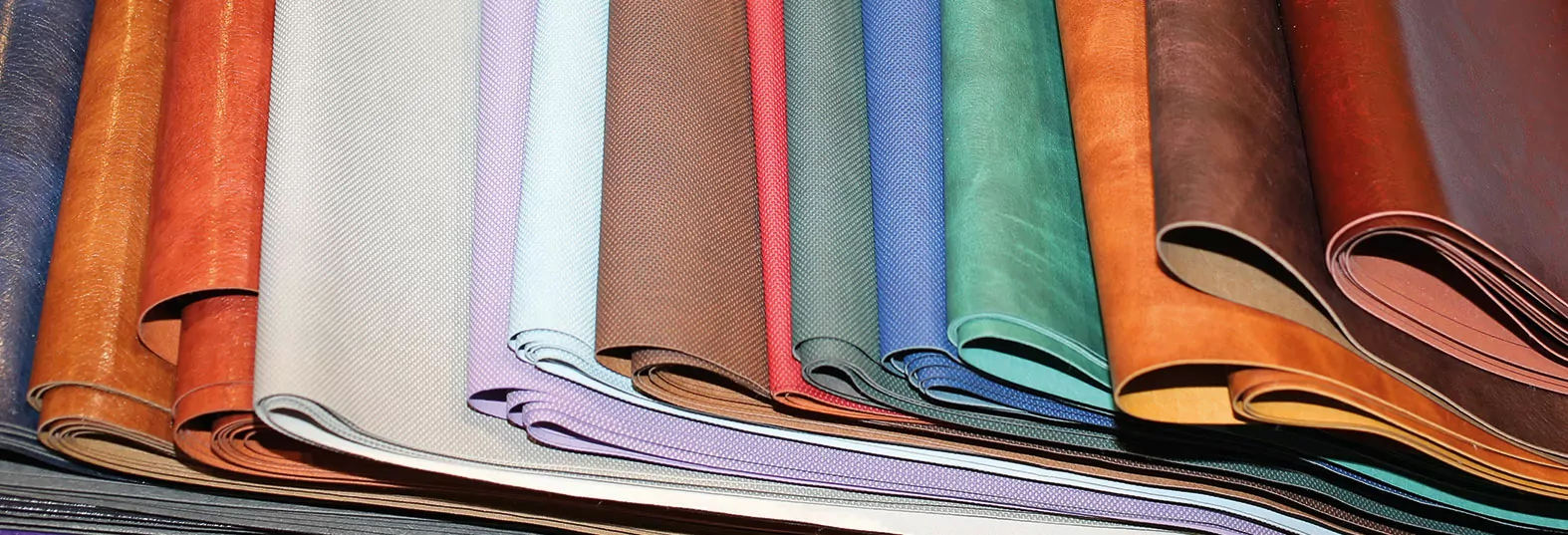
At Sioux we place value on offering premium quality and comfort as well as a modern look. As a result of the various types of leather, tanning processes and colours, Sioux incorporates over 200 different varieties of leather into its collections to ensure that the highest standards are met. From non-slip, smooth leather and colourful suede and nubuck leathers, to reptile, metallic and glossy looks, everything has the same inimitable Sioux quality.
We mostly use calf leather to manufacture our shoes (finished as suede, e.g. velour and nubuck or smooth leather), and to much lesser extent lamb, goat, deer or buffalo leather. As a quality manufacturer, we avoid the use of pigskin – a decision that clearly sets Sioux apart from other brands. Since the company was founded, we have been concentrating on producing moccasins and even today, moccasins form a major part of our collections. Moccasins are unique in the sense that the leather wraps around the foot, therefore acting in a similar way to a glove. That’s why we pay special attention to the quality of the leather we use. The same high quality of leather is used for all of our shoes. Even when it comes to textile shoes, we add leather to the inner lining, simply because of the especially high-quality properties that this material offers.
How can I recognise genuine leather?
The term “leather shoes” is used so often nowadays, which has led to much uncertainty amongst customers. It is increasingly difficult for the average customer to distinguish between faux leather and real leather. Standardised pictograms must be attached to indicate the materials used to manufacture the shoe.
If these pictograms are missing, only very experienced customers will be able to tell the different between faux and real leather. Even experts have to take a closer look at leather to determine whether it is genuine. In general, the following tests can be carried out to make this assessment: You can only be sure that the leather is genuine when the feel (the usual leather feel), appearance (checked by examining the cut edges or the fibre structure; visibility of skin cells and pores using a magnifying glass or microscope) and smell (reviewed by smelling the leather to determine whether the typical leather-smell is present) are all as they should be.
There are three stages to the manufacturing process. First of all, the leather hide is detached from the other two layers of the skin in the „water workshop“. The next stage involves the rawhide being tanned before the leather goes through the finishing process.
The quality of the finishing process depends on the handcrafted artistry. Even the highest quality animal rawhide is worth nothing if it is not perfectly transformed into premium leather.
Another finishing step, which is carried out before the drying stage, is producing a glaze for the shaft leather. This involves the upper layer of the leather being refined. This glaze protects the leather from external influences and preserves the shiny surface.
The finished outer leather is stretched between metal plates or under heat radiators and dried at between 40 and 60 degrees Celsius. After the leather has been stored for one or two days, it is pressed at 90 degrees using heavy hand irons or a press. As a result, rawhide is turned into flawless leather.
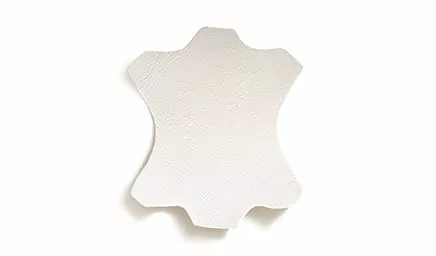
Lambskin nappa
Fleecy lambskin nappa is particularly soft, smooth and shiny. Sioux experts prefer to use it for women’s soft moccasins.
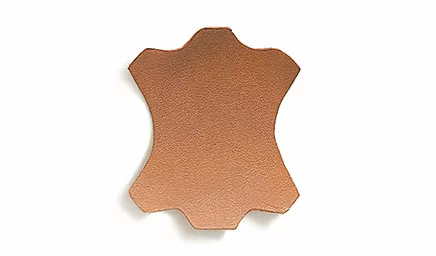
Calf leather
Soft, fine leather from young calf hide is fine grain and adapts well to the foot. In addition, the shoe is especially soft as a result of the unique nappa finishing. The light subtly reflects its silky shine.
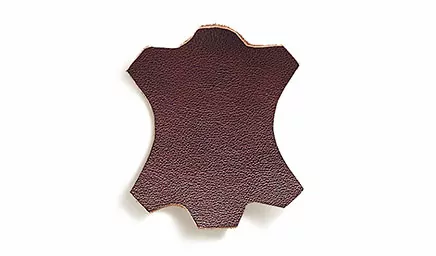
Cowhide
Milled until soft, very flexible and hard-wearing. Cowhide is the most popular leather worldwide with its natural grain look. At Sioux, we prefer to use it for our casual moccasins.
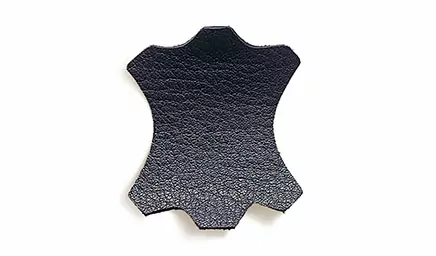
Buckskin
Deer hide is particularly elegant and rare as it very limited – flawless game hides are certainly something very special. Buckskin fibre structure is unique and is exceptionally soft.
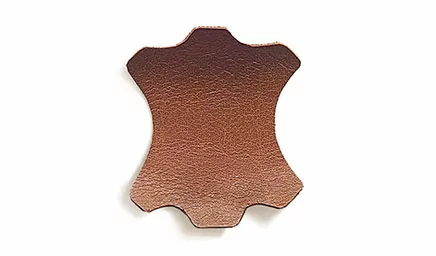
Buffalo leather
Buffalo leather has a hard-wearing and firm fibre structure and is, therefore, mainly used for robust, casual shoes and sandals. It has a lively and slightly glossy look.
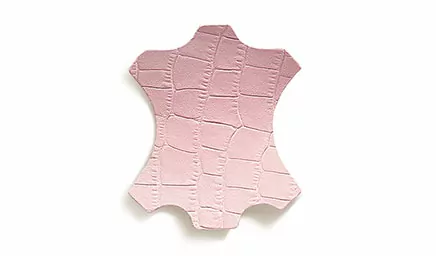
Fantasy leather
How is genuine fine calfskin given an exotic look? Discover our women’s shoe “Zalla“ with its floral print.
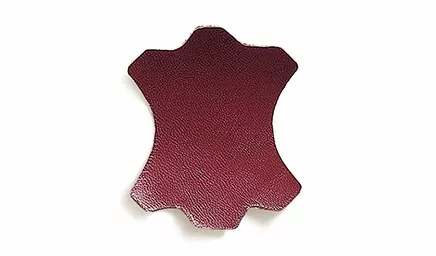
Goatskin
Its natural, fine-grain look give the leather a distinctive appearance. It is also lightweight, water-repellent and extremely supple. As the individual layers of hide are bound together, the leather is extremely durable and versatile. Leather coming from free-range goats, which provide the best quality, are used in Sioux footwear.
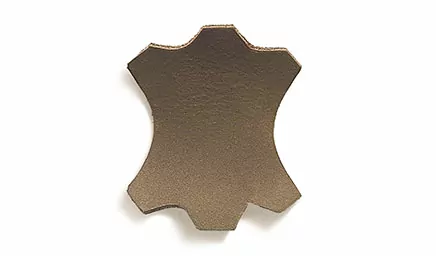
Nubuck leather
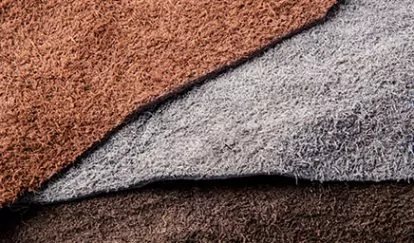
Nubuck leather boasts a velvety, matt surface. The grain side of the leather is slightly smoothed over. Fine and soft fibres remain, allowing the foot to breathe. If you gently stroke the shoe, you will see the grain on the soft surface, which is what gives leather its vibrant look. All leather is dyed using pure aniline colours.
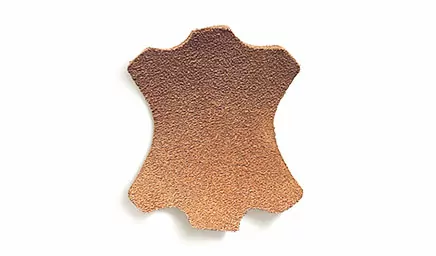
Suede
What is generally termed as “buckskin” is cowhide or calfskin that has been partially ground on the flesh side. This can be recognised by its typically matt, soft change in colour when running a finger over it and by its homogeneous, fibrous texture.
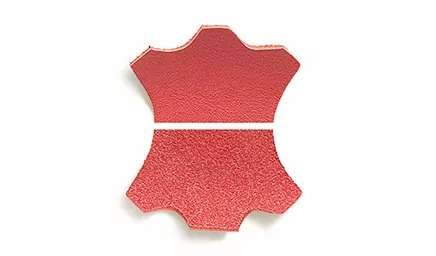
Hunting leather
With this cow’s suede, the partially ground flesh side of this suede is worn on the outside and the soft grain part on the inside. A lining is therefore not necessary.
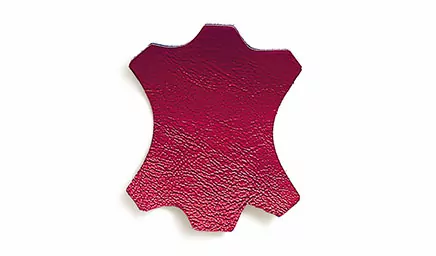
Patent leather
The extremely fine, soft and smooth calfskin is coated with a protective varnish. Its glossy, mirrored finish, which was only used on luxury shoes in the past, now adorns everyday footwear in a range of bold colours, including our “Vedika” moccasin.
Finishing leather
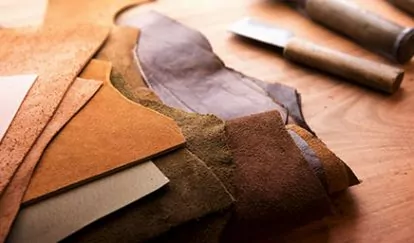
Leather only becomes the material we appreciate so much in shoes during the final step. The process carried out in the finishing shop is responsible for this change, as it receives its elegant appearance and typical smell.
Leather production
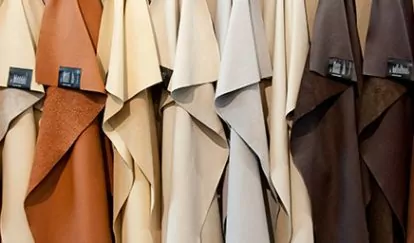
Leather has been manufactured since the early history of humankind, as this high-quality and durable raw material can be used to make shoes. Native Americans developed the first-known type of shoe – the moccasin. Tanned buffalo skin was used to make these shoes. The buffalo was hunted primarily as a source of meat, but the hides, tendons and bones were processed and used for many different purposes.
Shoe leather
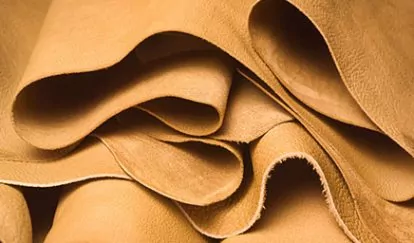
Choosing the leather is very easy when it comes to Sioux shoes: we only settle for the best.