DE
DE EN
EN
HOW TO MAKE YOUR SHOES FIT FOR WINTER
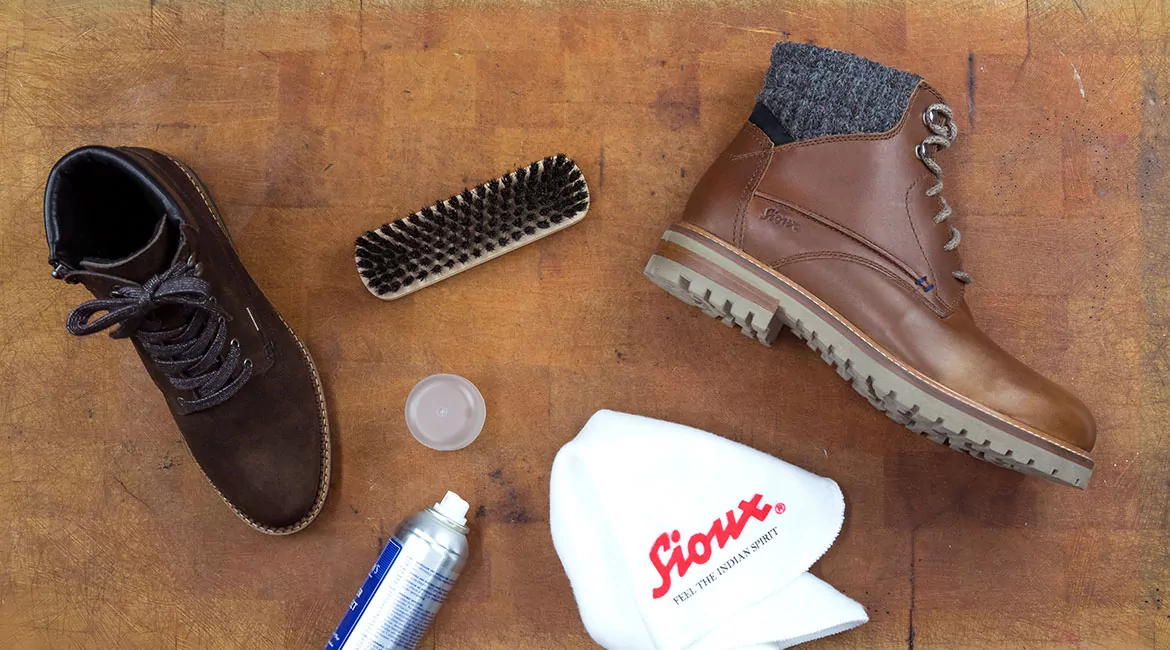
When the days get shorter, colder and above all wetter, then it’s time to face it again: Many people get cold feet. However, with just a few simple tricks you can make sure that not only your feet but also your favorite shoes survive the winter without damage.
The car is fitted with winter tires, of course. And your feet?
Winter is just around the corner. Every car driver knows that it is not only advisable, but it is even law that you are only allowed to drive with appropriate tires with sufficient profile from October through to Easter. And what about the human feet, the most valuable locomotor system you call your own? We are constantly astonished when we read that nearly half of all Germans allegedly do not own winter boots or winter shoes. So how exactly are these people walking on German roads and country lanes? After all, a good winter boot or winter shoe is not a luxury item. You can buy appropriate footwear at a reasonable price. If you take good care of it, it will remain a faithful companion for many years to come, and the purchase is definitely well worth it.
The proper footwear for winter. It should meet three criteria.
The proper footwear for winter has exactly three functions: 1. protection against wetness 2. protection against cold and 3. protection against skidding. We would like to add the fourth point here. Footwear in winter should also look great at the same time, but we only say this because we not only make functional shoes but also beautiful ones from our point of view. ☺️
Rule number 1: If you love your shoes, impregnate them.
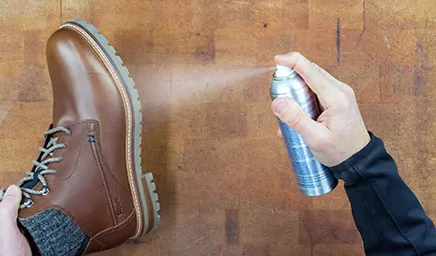
You may be surprised that we have placed protection against wetness in first place. In Germany, winter is not only a cold, but above all a wet season. In fact, it is often six months wet in winter in Germany, and three months cold. So the wetness unfortunately preponderates. And now there is the problem: Water and leather love each other, so they say, and both have quite a strong attraction to each other. Therefore, in winter the first rule and most important thing is to impregnate the shoes as often as possible. You can find all about the right method of impregnation here.
Rule number 2: Shoes with lining for warm feet.
There are three types of lining for shoes:
- Cold lining: Extra layer of leather or textile in the shoe. Shoes with a cold lining are suitable for the transitional period.
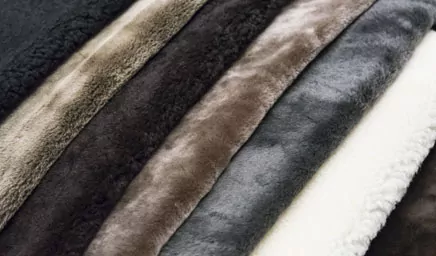
- Warm lining: Mostly made of teddy, felt or wool lining, it provides protection against slight cold at single-digit temperatures and short stays outdoors.
- Fur lining: Made of real lambskin, it presents the royal class of the lining types. It is of particularly high quality and boasts the best properties. You should count on lambskin if it is freezing cold or if you are going to be outside for a long time (e.g. at the Christmas market, if you have to work outside or if you are planning a longer trip outdoors). Lambskin combines several unique properties: The fur trimming creates an air cushion with high insulating properties, has a unique breathability and is characterized by a particularly cuddly softness.
Rule number 3: With the appropriate profile you are well-prepared for the winter.
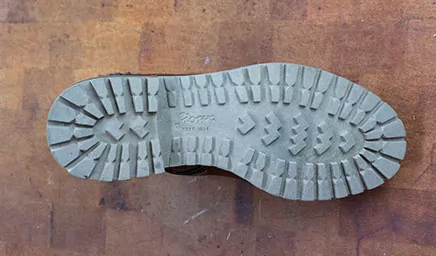
It sounds like a cliché: Slippery snow and ice always emerge where you wouldn’t expect it. The most frequent hospital stays in winter are related to fractures caused by icy conditions. These can be quite serious given that the human body is naturally equipped with a very elevated center of gravity. What helps? The appropriate profile. It should be robust and have a proper grip. By the way, this is in fashion at the moment. Actually, the most classic of all profiles is the Caramato sole (from the Italian Carro Armato = armored tank), also known as the mountaineer’s sole, which everyone knows (even if not by name). It is a sole with symmetrically placed studs and lily-shaped crosses in the middle of the sole, which remind a bit of St. John’s crosses. With these you will be best prepared for the winter.
How can I additionally protect my shoes in winter?
We have now written a lot about the appropriate footwear in winter. However, even the most faithful companion can be worn out in winter if not cared for properly. Shoes are like good friends, they want to be looked after. Especially in winter, shoes are more exposed to rain, slush or ice when hiking compared to summer. Therefore, it is important to remove dirt and to give the natural leather the adequate shoe care. Just like you put cream on your hands to prevent them from drying out, the leather of your shoes loves the same kind of care - especially in the winter. It thanks you by a nicer look, a longer durability and it remains supple and flexible. And after a walk in the wintry, dirty weather it is strongly recommended keeping your leather shoes or leather boots in shape with a shoe tree. If you don’t have a shoe tree at hand, this old household remedy helps: Simply stuff your shoes or boots with newspaper., but please do not put them on a hot radiator. You should save your faithful companions this stress because it can make the leather porous and brittle.
What do I have to bear in mind when wintering my shoes or boots?
We’ve talked about „changing tires“ above and summer shoes have their (well-earned) break in winter. If you want to store these summer shoes over the winter, there are only a few things to consider. The leather shoes should be stored freshly cleaned and creamed up, dry and dust-protected, preferably without UV light exposure. Shoe boxes or cloth bags are a good choice here. It is important that the material is permeable to air and the storage place is ventilated. Additionally, the breathing process can be supported by wooden shoe trees (shoe stretchers). A second benefit is that the shoes retain their original shape with the help of shoe trees and walking creases are smoothed out. Your summer shoes will thank you for these simple tricks and give you a lot of pleasure next summer as well.
With a few simple tricks you can make sure that not only your feet but also your favorite shoes make it through the winter without damage.